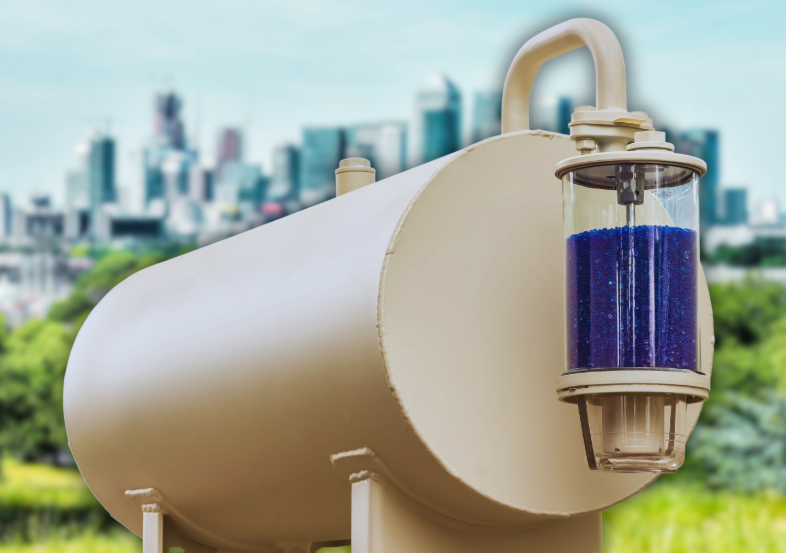
The Role of the breather valve in Protecting Industrial Storage Systems

Introduction to Pressure Control Components
Industrial facilities rely on stable pressure management to keep storage systems, pipelines, and tanks functioning safely. Even a minor pressure imbalance can lead to mechanical stress, leakage, product loss, or severe safety hazards. One of the most effective control devices used for preventing such issues is the breather valve. This component appears simple, yet its impact on operational safety is significant. It regulates airflow, stabilizes internal pressure, and protects tanks from overpressure or vacuum conditions.
Why Pressure Stability Matters in Industrial Environments
Any enclosed tank or container exposed to temperature changes or material movement will naturally experience internal pressure variations. When pressure drops too low, the tank walls can collapse inward. When pressure rises too high, the structure may deform or rupture. Fluids and gases expand and contract due to temperature fluctuations, agitation, or filling cycles.
Industries dealing with chemicals, fuels, food-grade substances, or sensitive materials must maintain a safe internal balance. This is where a breather valve becomes necessary to ensure that air enters or exits the tank at the right time without allowing contamination.
How a Breather Valve Works
The functioning of this component is based on pressure threshold limits. When the internal pressure exceeds a safe level, the valve opens Breather Valve outward to release excess air or vapor. When a vacuum forms, it opens inward to allow air to enter. This automatic action protects the integrity of the tank and keeps the stored material stable.
Manufacturers design these valves with set pressure points. These points ensure timely response to sudden changes, such as rapid temperature shifts or quick product withdrawal. The design often includes diaphragms or spring mechanisms that support controlled opening and closing.
Types of Breather Valves Used in Industry
Different industrial environments require different valve structures. The most common types include pressure-only valves, vacuum-only valves, and combination valves that handle both functions. Combination models are widely used because they offer complete protection under most operating conditions.
Some industries use flame-arresting versions, especially when handling flammable vapors. These models include a flame-arresting element that prevents fire from entering the storage tank. The design choice depends on material type, environmental risks, and regulatory requirements.
Material Selection and Design Importance
The valve’s performance depends on the quality of material used in its construction. Stainless steel, aluminum, and reinforced plastics are frequently used due to their resistance to corrosion and environmental stress. When the stored substance is reactive or corrosive, the selection becomes even more critical.
Internal components are engineered to maintain a tight seal when the valve is closed. A damaged or worn seal can cause air leakage, leading to contamination or pressure instability. This is why regular inspections and high-quality components are essential.
Application of Breather Valves in PCBA Manufacturing Facilities
Although the breather valve is mainly associated with storage and chemical tanks, it also plays a role in environments where sensitive electronic assembly takes place. In PCBA manufacturing, stability is key. The assembly floor often includes chemical storage for soldering processes, flux materials, cleaning agents, and coating chemicals.
These substances require controlled environments to maintain purity and prevent damage to electronic components. Valves used on storage drums or tanks ensure that fumes do not escape excessively and that the chemicals remain stable. They also prevent contamination from entering storage vessels, which helps preserve chemical consistency and improves the quality of PCB assembly operations.
Preventing Contamination in Production Spaces
Air quality matters greatly in electronics manufacturing. Even microscopic particles can affect solder joints, surface finishes, or component bonding. A breather valve supports contamination control by ensuring that tanks only intake filtered air when necessary.
Without this device, uncontrolled vacuum intake might pull dust or moisture into material containers. Such impurities can degrade flux quality or cleaning solutions, which eventually affects the reliability of assembled circuit boards. Maintaining clean processes helps manufacturers reduce rework and improve yield rates.
Safety Benefits in High-Risk Environments
Industrial safety standards demand strict control over pressure systems. Tanks that store volatile or highly reactive materials must follow guidelines to prevent accidents. A properly functioning breather valve reduces the risk of fire, explosion, or structural collapse.
In facilities where operators handle chemicals daily, pressure-relief components provide peace of mind. Automated pressure regulation means workers do not have to manually open vents, reducing exposure to hazardous vapors. The presence of flame-arresting versions adds an extra layer of defense against ignition.
Reducing Product Loss and Improving Efficiency
Accurate pressure control prevents evaporation or unintended release of valuable materials. In industries where high-grade chemicals are stored, even slight evaporation can translate into significant financial losses. A reliable valve ensures that vapors are contained as much as possible while still allowing pressure to remain balanced.
By maintaining stable conditions, companies can extend the lifespan of stored materials. This leads to better inventory management, reduced waste, and more consistent production outcomes. In PCBA manufacturing, where chemical precision matters, small improvements in storage efficiency can have noticeable results.
Maintenance Practices for Long-Term Reliability
Routine checks help ensure that the breather valve continues to work effectively. Over time, dust, corrosion, or chemical deposits may affect the movement of internal components. A clogged valve cannot respond properly to pressure changes, which increases the risk of tank damage.
Maintenance typically includes inspecting seals, cleaning internal passages, checking pressure set points, and verifying responsiveness. An annual calibration test is recommended for industries dealing with sensitive materials. Keeping records of maintenance activities also helps in meeting regulatory compliance.
See also: How Smart Tech Is Changing the Way We Manage Our Finances
Choosing the Right Valve for Your Industry
Selecting a suitable model depends on tank size, stored material, environmental conditions, and safety codes. Industries that store flammable liquids require different specifications compared to those handling food products or water. Evaluating temperature variation, expected pressure range, and chemical compatibility ensures that the chosen device performs correctly.
Consultation with experts helps match system requirements with valve capabilities. The goal is always to maintain stability, safety, and product quality throughout storage and production cycles.
Conclusion
The breather valve might appear simple on the surface, yet it is one of the most important components in industrial pressure management. It protects tanks from damage, ensures clean airflow, supports safety compliance, and preserves stored materials. Its role becomes even more valuable in environments like PCBA manufacturing, where chemical stability and contamination control directly affect product quality. A carefully selected and well-maintained valve ensures long-term reliability, consistent operations, and safer workplaces across all industrial sectors.