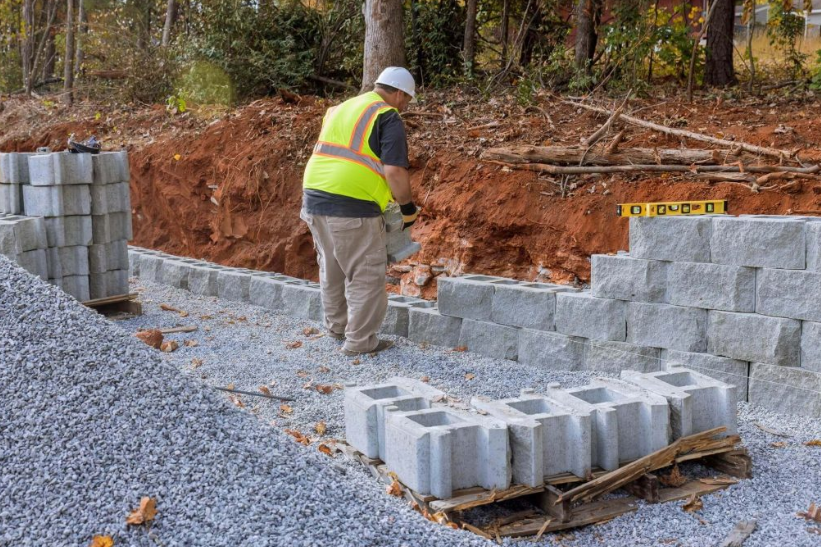
Designing Retaining Structures for Strength and Longevity

Retaining structures are a vital part of modern construction and landscaping. They are used to support changes in ground level, protect soil from erosion, and create stable outdoor spaces. When properly designed, these structures improve safety, functionality, and visual appeal. However, long-term success depends on more than surface materials alone.
Behind every durable retaining structure is a carefully planned system that manages soil pressure and water movement. Ignoring these hidden factors often leads to cracking, leaning, or complete structural failure.
Why Retaining Structures Face Constant Pressure
Soil is always in motion. It expands when wet, contracts when dry, and shifts under weight. When soil is held back by a retaining structure, pressure builds up over time, especially during heavy rainfall or poor drainage conditions.
Some of the most common sources of pressure include:
• Water accumulation behind the structure
• Weak or loose soil
• Improper drainage design
• Uneven compaction
Managing these forces is essential to prevent long-term damage.
The Importance of Drainage and Soil Control
Drainage is one of the most critical factors retaining wall geotextile in retaining structure performance. When water is trapped behind a wall, it increases weight and pressure dramatically. Without a proper drainage path, even a well-built structure can fail.
Soil control is equally important. Fine soil particles can move with water, clog drainage systems, and weaken the base of the structure. Preventing this movement helps maintain stability and performance.
Understanding Reinforcement Materials
Reinforcement materials are used to improve how soil behaves under pressure. Instead of allowing soil layers to move independently, reinforcement binds them together, creating a more stable mass.
These materials are designed to work with natural soil conditions, improving strength without adding excessive weight or thickness to the structure.
How Fabric Reinforcement Supports Retaining Structures
Retaining wall geotextile plays an important role in improving the stability and durability of retaining structures. It is placed behind the wall to separate soil from drainage materials while allowing water to pass through.
Improving Soil Stability
This reinforcement helps hold soil particles in place, reducing internal movement. When soil behaves as a single unit rather than loose layers, pressure on the structure becomes more evenly distributed.
This improved stability helps prevent bulging and shifting over time.
Supporting Drainage Performance
Effective drainage reduces hydrostatic pressure, one of the main causes of retaining structure failure. Fabric reinforcement allows water to flow freely while preventing soil particles from washing into drainage stone.
This keeps drainage systems functioning properly and reduces long-term maintenance issues.
Common Applications in Different Settings
Fabric-reinforced retaining structures are used in a wide range of projects due to their flexibility and effectiveness.
Residential Landscaping
In residential areas, retaining structures are often used to level sloped yards, support patios, or create garden terraces. Reinforcement helps maintain clean separation between soil and drainage layers.
This results in improved appearance, reduced erosion, and lower maintenance requirements for homeowners.
Commercial Construction Projects
Commercial developments require retaining structures that can handle higher loads and continuous use. Reinforcement improves load distribution and enhances overall safety.
These systems are commonly used in parking areas, road embankments, and commercial landscaping projects.
Environmental and Erosion Control Projects
In erosion-prone environments, retaining structures help protect land from runoff and soil loss. Reinforcement materials stabilize soil while allowing natural water movement.
This makes them suitable for projects where environmental protection is a priority.
See also: Finding the Perfect Apartment in a Bustling City
Installation Practices That Affect Performance
Correct installation is essential to ensure reinforcement materials perform as intended. Poor installation can reduce effectiveness and shorten the lifespan of the structure.
Preparing the Construction Area
Before installation, the area behind the retaining structure should be cleared of debris, roots, and sharp objects. Proper grading ensures even contact between soil and reinforcement layers.
Good preparation reduces the risk of tearing or shifting during installation.
Placement and Overlapping Techniques
Reinforcement layers must be placed with adequate overlap to prevent soil from moving through gaps. Overlapping improves continuity and strength throughout the structure.
Each layer should be secured in place before adding backfill material.
Backfill Selection and Compaction
Using clean, well-draining backfill material supports proper water flow and reduces pressure buildup. Compaction should be done gradually to avoid excessive force during construction.
Following proper compaction methods improves long-term stability.
Durability and Long-Term Reliability
One of the main advantages of fabric reinforcement is durability. These materials are resistant to moisture, soil chemicals, and biological degradation.
When protected from direct sunlight and installed correctly, they can remain effective for many years. This long lifespan reduces the need for repairs and extends the service life of retaining structures.
Cost Efficiency and Practical Benefits
While reinforcement materials increase initial construction costs, they often reduce long-term expenses. Improved stability means fewer repairs, less maintenance, and longer-lasting structures.
They also allow for more flexible design options, making it easier to adapt retaining structures to different site conditions.
Common Mistakes to Avoid
Several common errors can reduce performance:
• Selecting the wrong reinforcement type
• Ignoring drainage requirements
• Insufficient overlap between layers
• Using poor-quality backfill material
Avoiding these mistakes helps ensure consistent performance and long-term reliability.
Environmental Advantages
Reinforced retaining structures help reduce soil erosion and sediment runoff. Improved drainage protects nearby land and water systems from damage.
By extending the lifespan of structures, fewer resources are required for repairs or replacements, supporting sustainable construction practices.
Final Thoughts
Retaining structures are essential for managing land, protecting soil, and creating usable outdoor spaces. Their effectiveness depends on proper design, drainage, and soil control.
Retaining wall geotextile improves stability by reinforcing soil, supporting drainage, and reducing pressure behind the structure. When installed correctly and combined with sound construction practices, it provides reliable, long-lasting performance.
Investing in proper reinforcement ensures safer retaining structures, lower maintenance costs, and outdoor spaces built to endure environmental challenges over time.