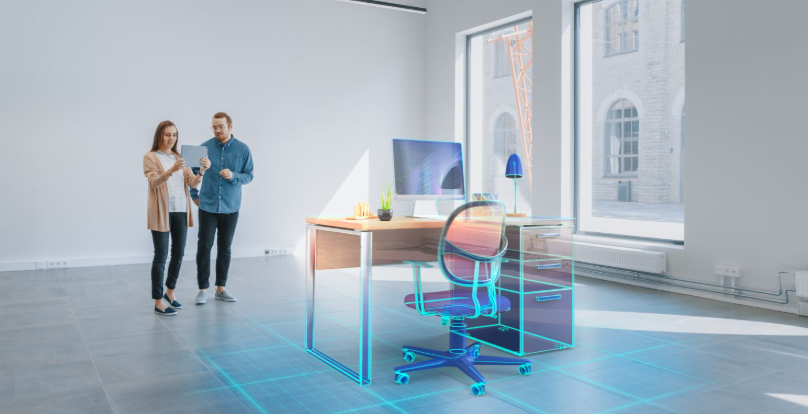
How Technology is Transforming the Furniture Industry

The furniture industry is experiencing a remarkable transformation driven by technology, changing lifestyles, and evolving consumer expectations. While aesthetics and durability have always been central to furniture design, modern consumers now demand products that offer comfort, adaptability, and smart functionality. From living rooms to bedrooms, technology is reshaping how furniture is created, marketed, and experienced.
One of the most significant innovations in this space is the integration of smart technology into bedroom furniture. Products like the smart bed demonstrate how furniture is moving beyond traditional forms to provide enhanced comfort, health benefits, and convenience for modern users.
The Evolution of Furniture Design
Furniture has always reflected how people live, but today’s designs go beyond simple functionality. Modern homes often serve as multifunctional spaces where comfort, usability, and style intersect.
Multifunctional and Adaptive Furniture
With many people working remotely and spending more time at home, furniture needs to serve multiple purposes. Living rooms now double as workspaces, and bedrooms function as both rest areas and personal retreats. This shift has led to the rise of adaptable furniture solutions, such as modular sofas, extendable tables, and beds with storage or adjustable features.
Adaptable designs allow homeowners to maximize limited space without sacrificing comfort. For example, adjustable beds provide support for reading, working, or sleeping, making them an essential addition to contemporary bedrooms.
Comfort and Ergonomics
Comfort is now a critical factor in furniture selection. Ergonomically designed chairs, supportive sofas, and innovative beds contribute to better posture, reduced strain, and improved well-being.
Smart beds take comfort to a new level by integrating technology that responds to individual needs. They can adjust firmness, monitor sleep patterns, and even provide personalized support based on a user’s body type. Many consumers research extensively before deciding to buy smart bed products to ensure that their investment enhances both rest and overall health.
Materials and Sustainability
While technology is transforming functionality, materials continue to determine the quality, durability, and sustainability of furniture. Consumers today are more aware of environmental impact and expect manufacturers to provide eco-friendly options.
See also: How Smart Tech Is Changing the Way We Manage Our Finances
Eco-Friendly Materials
Sustainably sourced wood, recycled metals, and low-emission finishes are increasingly common in quality furniture. Natural fabrics such as cotton, linen, and wool are preferred for their durability and low environmental impact.
Sustainable furniture not only supports responsible consumption but also ensures long-term value. Durable pieces reduce the need for frequent replacements, minimizing waste and promoting eco-conscious living.
Combining Craftsmanship and Innovation
Automation and advanced production techniques have improved efficiency, but craftsmanship remains essential. Well-constructed furniture with strong joints, smooth finishes, and precise engineering provides both aesthetic appeal and functional reliability.
By combining traditional craftsmanship with buy smart bed technological innovation, manufacturers can create furniture that offers advanced functionality while maintaining high quality. Smart beds are a prime example, blending expert construction with responsive technology to deliver superior comfort.
Technology and the Modern Buying Experience
Technology has revolutionized not only furniture design but also the way consumers purchase furniture. Online research, digital tools, and virtual showrooms are shaping buying decisions.
Research-Driven Purchases
Today’s buyers often begin their furniture search online, comparing styles, materials, and prices. Detailed descriptions, reviews, and interactive visualizations allow consumers to make informed decisions from the comfort of their homes.
When considering a smart bed, consumers often explore product specifications, sleep tracking features, and material details to ensure the purchase meets their comfort needs. This research-driven approach encourages transparency and helps build trust in the brand.
Blending Online and Offline Experiences
Although online shopping is convenient, physical interaction with furniture remains valuable. Showrooms allow buyers to test comfort, evaluate materials, and experience ergonomics firsthand.
Retailers now combine online research with in-store experiences to offer a seamless journey. Virtual room planners, augmented reality tools, and detailed online descriptions complement physical testing, allowing customers to feel confident when they decide to buy smart bed solutions.
Design Trends Shaping Modern Furniture
Furniture design continues to evolve alongside lifestyle changes, technology, and consumer preferences.
Minimalist and Functional Aesthetics
Minimalist designs remain popular for their clean lines, neutral palettes, and versatility. Minimalist furniture creates calm, uncluttered spaces while emphasizing functionality. These designs adapt well to various interior styles, making them a practical choice for long-term use.
Personalization and Customization
Consumers increasingly seek furniture tailored to their needs. Modular designs, adjustable components, and customizable fabrics allow users to create personalized solutions that enhance comfort and reflect individual style.
Smart beds exemplify this trend, offering customizable firmness levels, sleep tracking, and other features that respond to individual preferences. This focus on personalization aligns with broader trends in furniture toward user-centered design.
Furniture and Well-Being
Furniture has a direct impact on both physical and mental health. Thoughtfully designed pieces can improve comfort, reduce strain, and create environments conducive to relaxation and productivity.
Ergonomics Beyond the Office
Ergonomic principles are now applied to a wide range of furniture, including sofas, lounge chairs, and beds. Proper alignment, supportive cushioning, and responsive materials help prevent discomfort and support long-term health.
Creating Restorative Spaces
Comfortable, well-organized spaces promote relaxation and reduce stress. Bedroom furniture, in particular, benefits from designs that support restorative sleep and wellness. Smart beds, with features like personalized support and sleep monitoring, demonstrate how technology can enhance overall well-being and improve the quality of rest.
The Future of the Furniture Industry
The furniture industry is moving toward a future where technology, sustainability, and user-centered design intersect.
Adaptive and Intelligent Furniture
Smart features, such as adjustable frames, sleep tracking, and responsive materials, are becoming increasingly common. Furniture that adapts to individual needs provides better comfort, functionality, and long-term value.
Emphasis on Quality and Longevity
Consumers are prioritizing durable, high-quality furniture over disposable products. Investing in well-made pieces reduces waste and supports sustainable living, while offering reliable performance for years.
Conclusion
The furniture industry is evolving to meet the needs of modern consumers who value comfort, technology, and personalized solutions. Innovations like smart beds exemplify how technology can enhance daily life, providing tailored support, improved sleep quality, and overall wellness.
By combining craftsmanship, sustainable materials, and intelligent design, the furniture industry is creating products that are both functional and stylish. Whether shopping for living room pieces, ergonomic chairs, or advanced bedroom solutions, modern furniture is designed to improve comfort, support well-being, and adapt to the way people live today.
As technology continues to advance, furniture will play an increasingly important role in creating homes that are comfortable, functional, and tailored to individual lifestyles, making it easier than ever for consumers to buy smart bed solutions that truly meet their needs.