Modern Developments in Metal Bending Equipment

Introduction to Industrial Metal Fabrication
Metal fabrication is a foundation of modern industry, supporting sectors such as construction, automotive, aerospace, and heavy manufacturing. As production requirements become more complex, manufacturers rely on advanced equipment to ensure accuracy, consistency, and efficiency. Over time, metal bending technologies have evolved to meet these expectations, enabling precise shaping of metal sheets while maintaining structural strength and production speed.
Importance of Precision in Metal Bending
Precision plays a critical role in metal bending operations. Even small deviations in angles or dimensions can lead to assembly issues, structural weaknesses, or material waste. Modern bending equipment is designed to deliver consistent results across repeated production cycles. Controlled force application and accurate positioning allow manufacturers to meet tight tolerances without compromising quality.
Automation has further improved precision by reducing reliance on manual adjustments. Operators can define exact bending parameters, ensuring uniform output regardless of production volume.
How Advanced Bending Systems Operate
Advanced bending systems combine mechanical strength with controlled motion to shape metal sheets efficiently. These machines apply force gradually, allowing the metal to bend without cracking or warping. Modern control systems help regulate pressure, speed, and angle, ensuring smooth and accurate operation.
The press brake machine is widely used in industrial fabrication because it offers reliable control over bending processes. Its design allows operators to perform a wide range of bends, from simple angles to complex profiles, using consistent and repeatable methods.
Common Types of Metal Bending Machines
Metal bending equipment is available in several types, each designed for specific applications:
Mechanical bending machines
These machines use flywheels and gears to apply force. They are suitable for lighter materials and basic bending tasks.
Hydraulic bending machines
These systems rely on fluid pressure to deliver steady force, making them effective for thicker and stronger metals.
Digitally controlled machines
These machines integrate programmable controls that enhance accuracy and reduce setup time for complex designs.
Each type offers distinct advantages depending on material type, production volume, and precision requirements.
Benefits for Manufacturing Operations
The use of modern bending equipment provides several important benefits to industrial operations:
Consistent accuracy
Controlled bending reduces dimensional errors and improves part quality.
Higher productivity
Faster setup times and automated processes increase production output.
Material flexibility
A wide range of metals and thicknesses can be processed efficiently.
Reduced waste
Accurate bending minimizes scrap and rework.
Operational reliability
Durable designs support continuous operation in demanding environments.
These advantages help manufacturers remain competitive while maintaining high standards of quality.
See also: How Smart Tech Is Changing the Way We Manage Our Finances
Factors to Consider When Selecting Equipment
Choosing the right bending machine requires careful evaluation of production needs. Important factors include:
Material properties
Different metals respond differently to bending forces and speeds.
Production capacity
High-volume operations require machines designed for continuous use.
Accuracy requirements
Industries with strict tolerances need advanced control systems.
Maintenance accessibility
Easy servicing reduces downtime and operating costs.
A well-informed selection ensures long-term efficiency and consistent performance.
Integration with Modern Production Systems
Modern manufacturing facilities increasingly rely on integrated production systems. Many bending machines can connect with automated workflows, allowing seamless coordination between different stages of production. This integration enables real-time monitoring, performance analysis, and improved scheduling.
Connected systems also support predictive maintenance by identifying potential issues before they cause equipment failure. This proactive approach reduces downtime and extends machine lifespan.
Workplace Safety and Operational Control
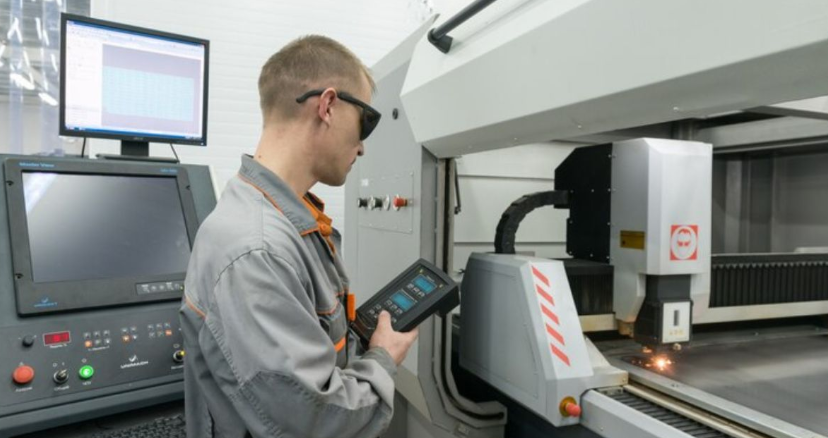
Safety is a critical concern in metal fabrication environments. Modern bending equipment includes safety features such as emergency stop functions, protective guards, and overload protection systems. These features help prevent accidents and protect operators during daily operations.
In addition to built-in safety mechanisms, proper training and adherence to operating procedures are essential. Skilled operators can identify risks early and ensure safe machine handling.
Energy Efficiency and Sustainability
Energy efficiency has become an important consideration in industrial manufacturing. Modern bending machines are designed to optimize power usage by applying force only when needed. Improved control systems help reduce energy consumption while maintaining performance.
By investing in efficient equipment, manufacturers can lower operating costs and reduce environmental impact, supporting sustainable production practices.
Role of Skilled Operators
Although automation has simplified many tasks, skilled operators remain essential for successful metal bending operations. Training ensures operators understand machine controls, programming options, and troubleshooting methods. Experienced personnel can fine-tune processes, improve output quality, and maintain safe working conditions.
Continuous skill development also helps organizations adapt to new technologies as they emerge.
Future Outlook for Metal Bending Technology
The future of metal bending is expected to include greater automation and intelligent control systems. Artificial intelligence and data-driven technologies may allow machines to adjust settings automatically based on material behavior and production history. These advancements could further improve accuracy, efficiency, and flexibility.
Ongoing innovation will continue to expand the capabilities of bending equipment across various industrial applications.
Conclusion
Metal bending technology has advanced significantly, offering manufacturers greater precision, efficiency, and control. Modern equipment supports consistent production, reduced waste, and improved safety. The press brake machine remains a key tool in industrial fabrication, helping manufacturers meet demanding production standards. By understanding equipment capabilities and future trends, businesses can make informed decisions that support long-term success.